Carrabassett Coffee Company
Posts
1st Quarter 2025 Sparky’s Blend Recipient
This quarter, sales of Sparky’s Blend will help to support Baker Mountain.

Our Keeps-Coffee-Hot-For-Hours Travel Mug… Now in RED
You can now get our Liquid Hardware 16 Oz Stainless Steel Travel Mug in red!
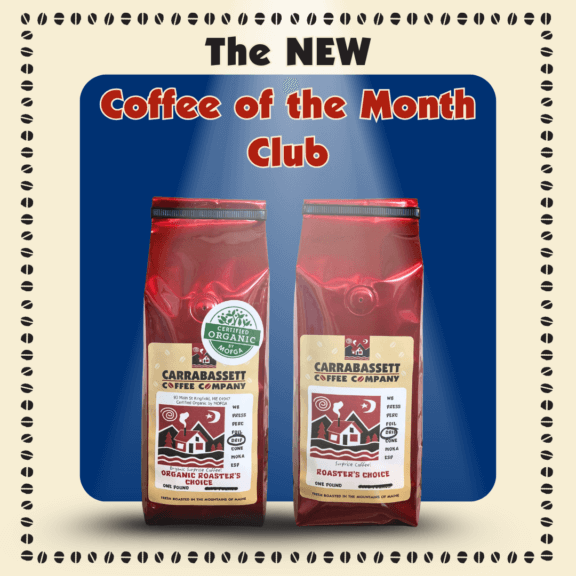
Coffee of the Month: Out Roaster’s Choice: In
Surprise yourself, or give the gift of coffee, with Roaster’s Choice, a new auto-renew subscription, where the coffee you receive will be a surprise.
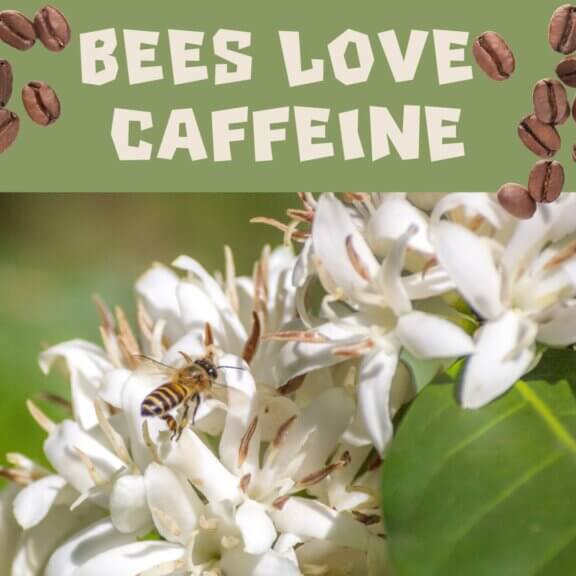
Bees Love Caffeine
Coffee flowers contain low doses of caffeine in their nectar and pollen, which attracts the bees and aids cross-pollination.
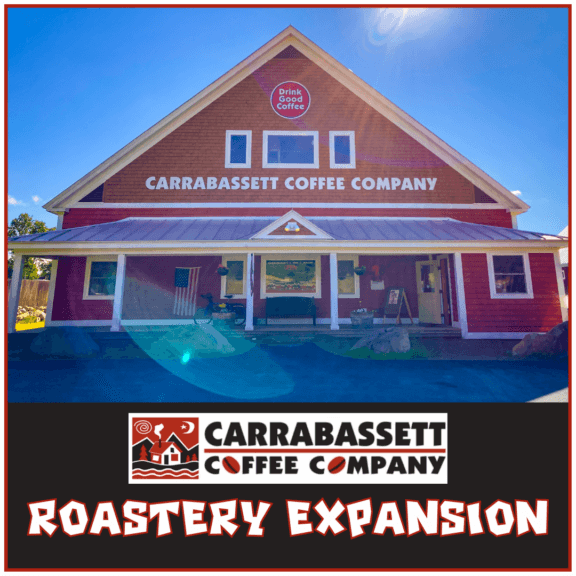
Carrabassett Coffee Company Roastery Expansion
We’re expanding our roastery! The addition extends off the back of the existing building and will be adding an additional 3500 square feet to our current space.
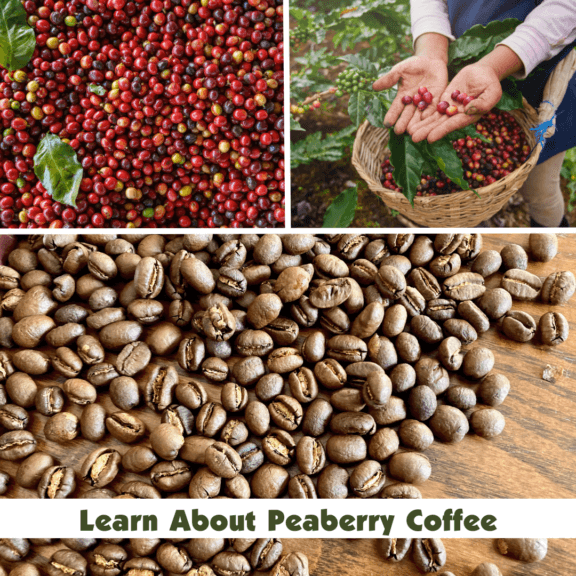
Learn About Peaberry Coffee
With a peaberry, only one seed grows inside the coffee cherry, rather than two.
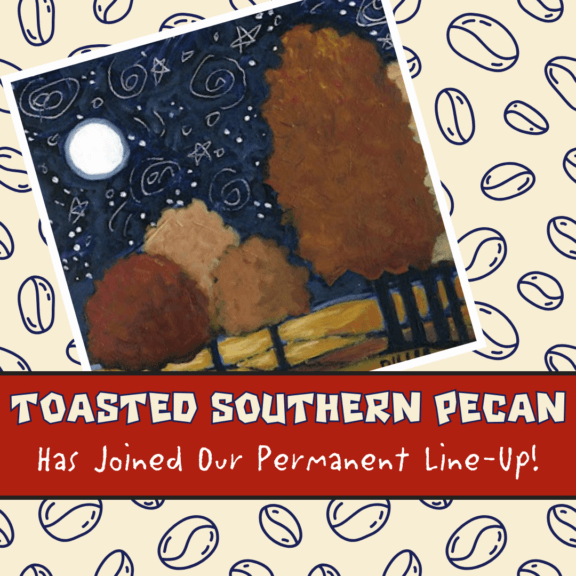
Toasted Southern Pecan is Now a Permanent Flavor!
You can now get Toasted Southern Pecan Flavored Coffee year-round.
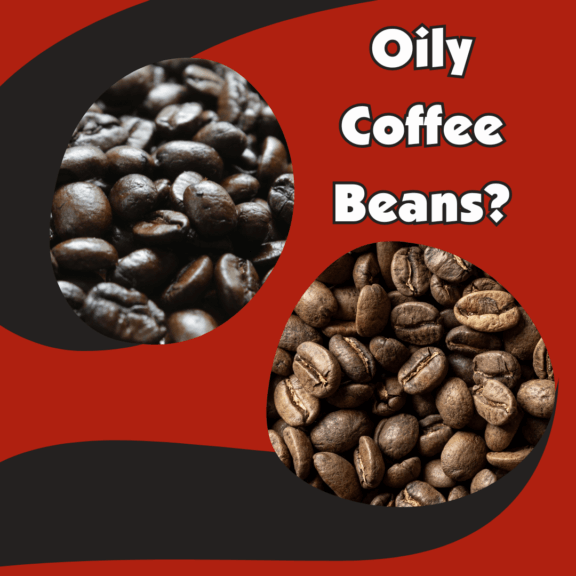
Oily Coffee Beans
That oily sheen you see on the outside of your coffee beans is the result of a chemical reaction. As coffee beans are roasted, the cell-structure of the bean begins to break down, and CO2 is released.
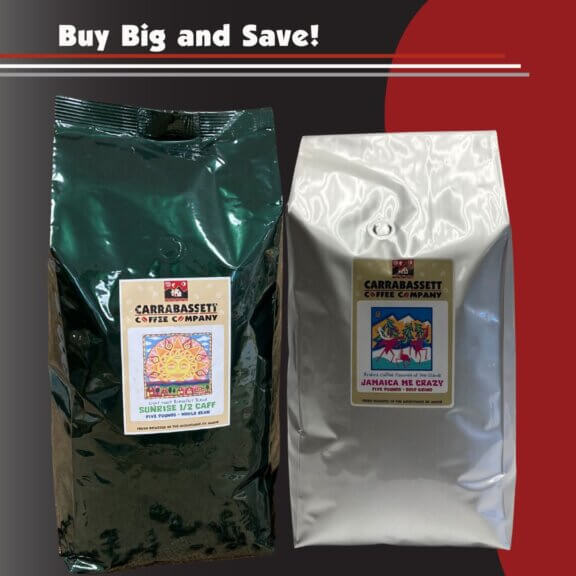
Buy a 5 Pound Bag and SAVE!
A $5 discount will be automatically applied in your cart for each 5 pound bag of coffee you order for shipping. That means big savings, when you order the big bags!

Subscribe for Auto-Renewal!
Never run out of coffee again! Your favorite really good coffee is now available on subscription! Order once, choose subscribe for auto-renewal, and we’ll renew your order automatically.

New Website!
Don’t Panic! Everything may look a little different, but it’s still us. Read on for some of the biggest changes.
MOFGA Certified Organic Coffee
The organic coffees we offer are grown on farms that are certified organic, meaning they do not use chemical pesticides or chemical fertilizers. This helps to ensure the health of the soil, the surrounding forest, and the farmers themselves.
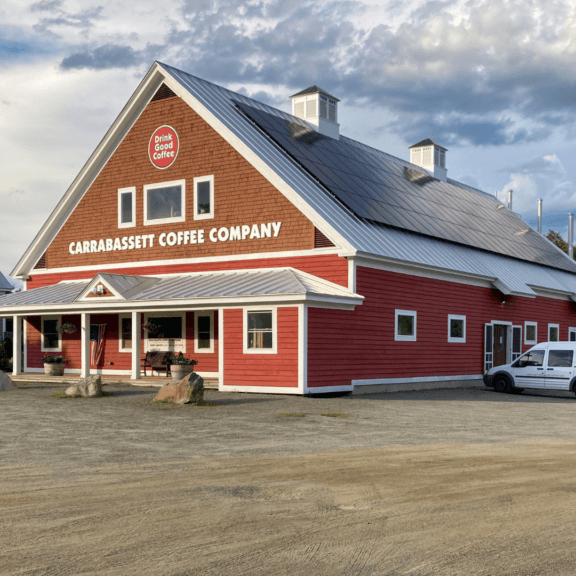
Solar Panels
We installed 92 solar panels on the roof of our roastery in June. We anticipate these panels will produce 48,620 KWH in the first year, and cover around 90% of our electrical needs.
Low Acid Coffee
What most coffee drinkers mean when they talk about coffee acidity is what we call “coffee belly.” Many coffee drinkers are looking for the best low acid coffee that won’t upset their stomach.
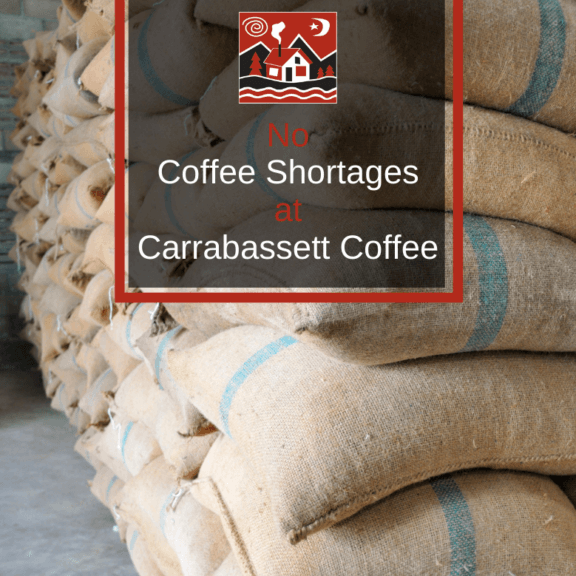
No Coffee Shortages at Carrabassett Coffee
You may have read some scary headlines about the coffee growing industry lately but we are still getting top quality coffee to roast here in Kingfield.
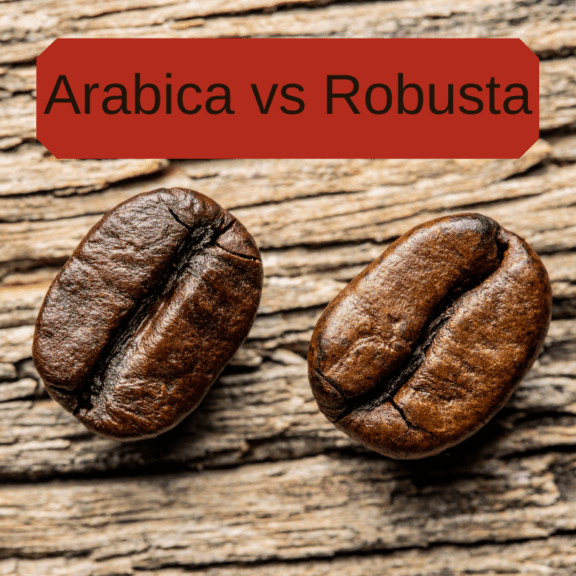
Arabica Vs Robusta
In the coffee drinker’s world, there’s a lot of talk about Arabica and Robusta. But what’s the difference? And why does it matter? Read on.
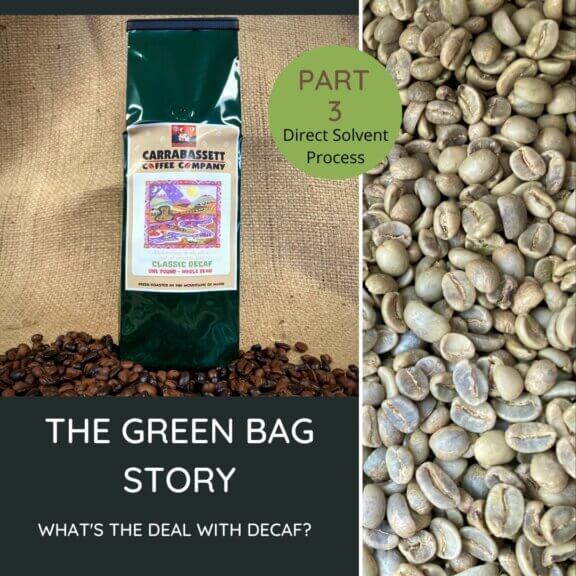
The Green Bag Story: Decaf Coffee (part 3)
Part 3: Direct Solvent ProcessThe biggest challenge in decaffeinating coffee is removing the caffeine without a loss in resulting flavor. It’s very easy to accidentally take out the oils, sugars, and proteins found in a coffee bean along with the caffeine, if one is only using water. The solvents target the caffeine, while leaving behind the flavor molecules which lead to a bold and distinct decaffeinated cup of coffee.
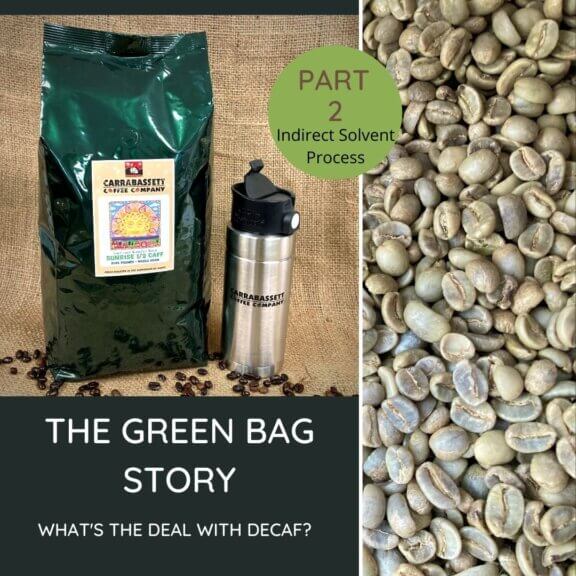
The Green Bag Story: Decaf Coffee (part 2)
Part 2: Indirect Solvent ProcessSome decaffeinating processes use a “decaffeinating agent” or “solvent” such as ethyl acetate, or methylene chloride at one stage in the decaffeinating process. (Don’t worry– these agents are completely removed from the green coffee beans, and in some cases, they never even touch the beans themselves…
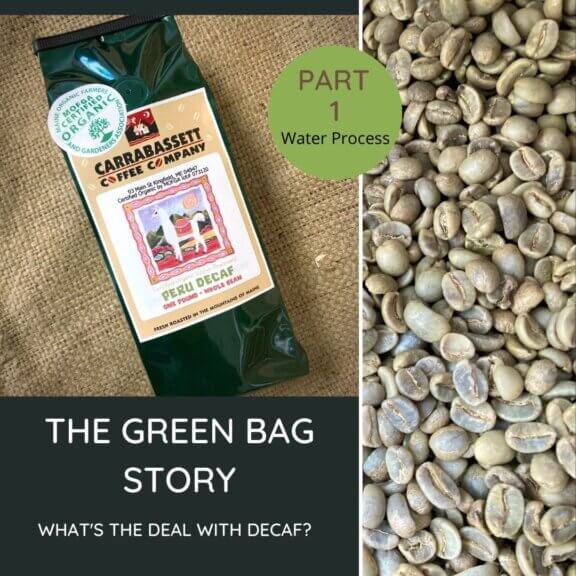
The Green Bag Story: Decaf Coffee (part 1)
Part 1: Water ProcessThere are no coffee beans that grow caffeine-free, so decaffeinating coffee is something that must be done manually after the coffee is harvested (but before the coffee is roasted).
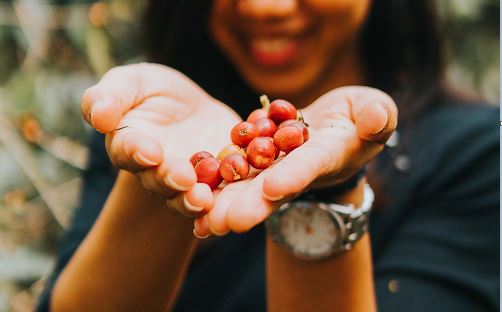
Coffee Processing: Honey Process
Some say that a honey-process coffee tastes like caramel, or ( you guessed it… honey). The flavors of a honey-process coffee include the sweetness of a natural process coffee, but also the brightness of a washed coffee.
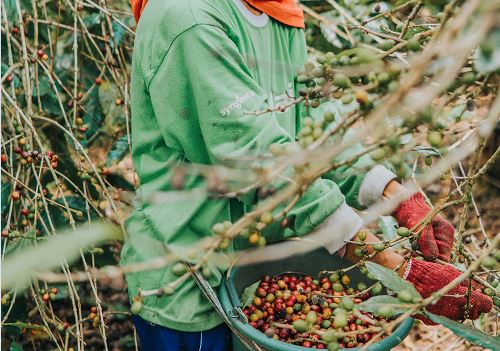
Coffee Processing: Wet-Hull (Giling Basah)
Coffee from Indonesia and the South Seas Region is almost always processed using the Wet Hull methods, or giling basah. Giling basah provides the resulting coffee beans with a unique herbal and earthy flavor unlike anything else.

Coffee Processing: Natural (Dry-Process)
The Natural process is used typically in regions where water is scarce. This dry process leads to coffee with “fruitier” flavors. Some natural processed coffees are described as having hints of strawberry, blueberry or even blackberry tones. This process adds a hint of sweetness and intrigue to your coffee.
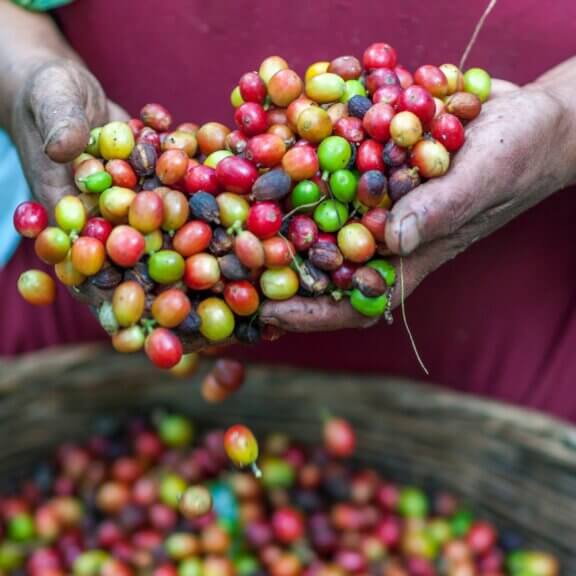
Coffee Processing: Washed (Wet-Process)
Washed coffees taste clean and vibrant. The most common method of processing coffee, the washed process provides the most opportunity for consistency and control. If you are looking for a pure coffee taste without added flavor notes from external “impurities”, the best coffee to drink is a wet-processed coffee.
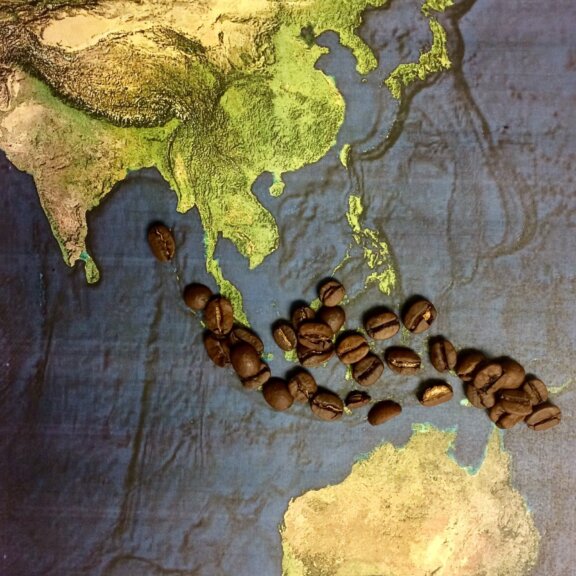
Coffee by Region: Indonesia
If you’re looking for a full-bodied, earthy and herbal cup of coffee, you can’t go wrong with an Indonesian coffee.